Summer is the season that brings warmth, sunshine, and a burst of outdoor activities. While we all enjoy the longer days and sunny weather, it’s crucial to take extra care of your skin during the summer months. The combination of sun, heat, sweat, and humidity can take a toll on your skin, leading to dryness, irritation, breakouts, and even sun damage. In this article, we’ll explore essential tips for maintaining healthy skin in the summer, from understanding the challenges your skin faces to the best products and habits for summer skincare.
Understanding Summer Skin Challenges
Summer poses unique challenges to your skin that require attention. Whether you’re basking in the sun, enjoying the beach, or simply spending time outdoors, it’s important to understand how these factors affect your skin’s health.
Sun Exposure and UV Damage
One of the biggest summer skin challenges is the increased exposure to UV rays. These harmful rays can lead to premature aging, dark spots, and skin damage. Without proper protection, prolonged sun exposure can even increase your risk of skin cancer.
Sweat and Heat
Heat and humidity often result in excess sweating. While sweating is a natural process to cool down your body, it can clog your pores, leading to acne breakouts and skin irritation. Sweat can also mix with dirt and oils, making it essential to keep your skin clean.
Humidity and Breakouts
Summer often brings higher humidity levels, which can make your skin feel sticky and greasy. This excess moisture in the air can increase oil production, leading to clogged pores and acne. People with oily skin may find this especially problematic during the summer months.

Skin Care Essentials for Summer
Now that we understand the challenges summer brings to your skin, it’s time to look at the essential skincare products you need to keep your skin healthy and glowing.
Sunscreen: Your Skin’s Best Friend
No matter your skin type, sunscreen is a must. It helps protect your skin from harmful UV rays, reducing the risk of sunburn, premature aging, and skin cancer.
Choosing the Right Sunscreen for Your Skin Type
- SPF 30 or higher: For effective protection, choose a sunscreen with at least SPF 30.
- Broad-spectrum protection: Make sure your sunscreen protects against both UVA and UVB rays.
- Water-resistant: If you’re going swimming or sweating, opt for a water-resistant formula.
Lightweight Moisturizers
In summer, heavy moisturizers can feel suffocating and lead to clogged pores. Instead, switch to lightweight moisturizers that hydrate without overwhelming your skin. Look for gels or water-based formulas, which absorb quickly and keep your skin moisturized without feeling greasy.
Why Lighter Moisturizers Are Better in Summer
Lighter moisturizers provide hydration without weighing down your skin, which is essential in hot, humid weather. These products allow your skin to breathe, reducing the risk of breakouts.
Cleansers for Summer
A gentle, refreshing cleanser is essential to keep your skin clean without stripping away its natural moisture. In summer, sweat, sunscreen, and pollutants build up on your skin, making it necessary to cleanse regularly.
Keeping Your Skin Clean Without Stripping It
Look for gentle, sulfate-free cleansers that cleanse without drying your skin. A mild foaming cleanser or a cream-based option can help remove impurities while maintaining your skin’s natural barrier.
Exfoliation: The Right Approach
Exfoliation removes dead skin cells, helping to maintain a smooth and fresh complexion. However, it’s important not to over-exfoliate, especially in the summer when your skin is more sensitive to the sun.
Exfoliating to Maintain Smooth, Healthy Skin
Use a gentle exfoliant once or twice a week to avoid irritation. Look for products with natural exfoliants like fruit enzymes or mild acids to help remove dead skin cells without causing damage.
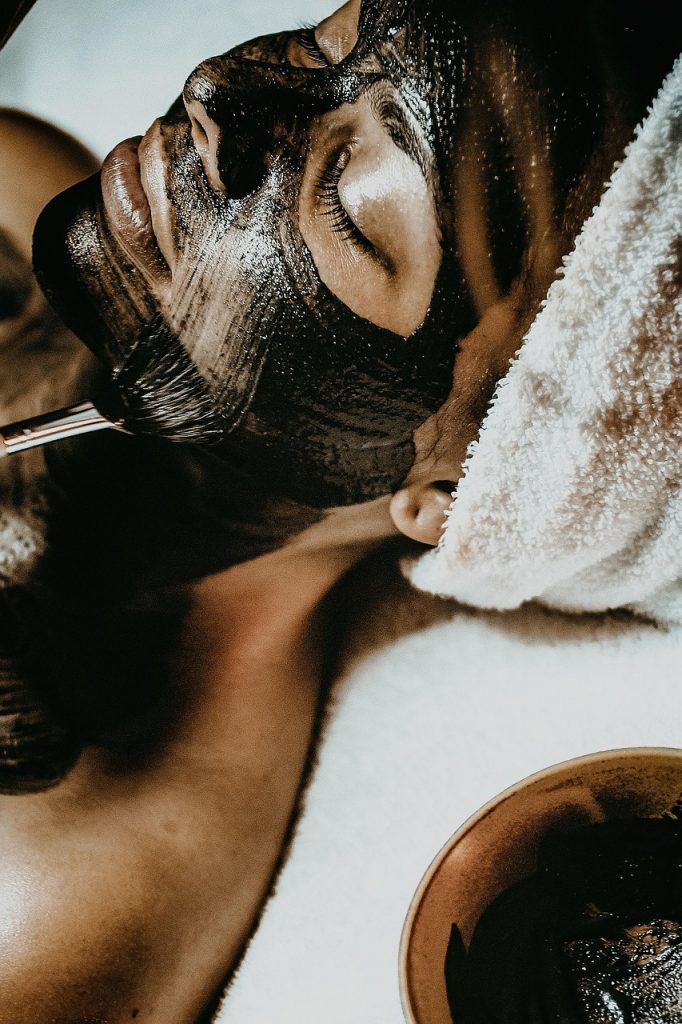
Hydration is Key
Hydration plays a pivotal role in maintaining healthy, glowing skin. While it’s important to hydrate your skin topically with moisturizers, it’s just as crucial to hydrate from the inside out.
Drinking Water
Water is essential for overall skin health. Staying hydrated helps your skin retain moisture and stay plump and healthy. During the summer, you might need to drink more water to counteract the dehydration caused by heat and sweating.
How Much Water Should You Drink for Healthy Skin?
Aim for at least 8 cups (2 liters) of water per day, but you may need more depending on your activity level and how hot the weather is. Water helps flush toxins out of your body, promoting clearer skin and preventing dryness.
Hydrating Skincare Products
In addition to drinking water, using hydrating products like serums, facial mists, or hydrating masks can enhance your skin’s moisture levels.
Top Products That Hydrate and Refresh
Look for serums that contain hyaluronic acid, glycerin, or aloe vera, which help to lock in moisture and provide a cooling effect.
Protective Measures Against the Sun
In addition to using sunscreen, there are other steps you can take to protect your skin from the damaging effects of the sun.
Reapplying Sunscreen
Sunscreen needs to be reapplied every two hours, especially if you’re sweating or swimming. Even if your sunscreen is water-resistant, it’s important to top up throughout the day to ensure your skin remains protected.
Why You Need to Reapply Sunscreen Regularly
Sunscreen breaks down over time, and prolonged exposure to the sun without reapplication can lead to skin damage. Keep a travel-size sunscreen in your bag so you can reapply when needed.
Clothing and Accessories for Protection
When you’re outdoors, wearing protective clothing can further shield your skin from harmful UV rays. Wide-brimmed hats, sunglasses, and lightweight, long-sleeve clothing made of UV-blocking fabric can keep your skin safe from the sun.
Best Clothing Choices to Protect Your Skin from UV
Opt for clothes with built-in SPF protection or light fabrics that cover your arms and legs. A wide-brimmed hat will protect your face and neck, two areas that are especially prone to sunburn.
Skin-Specific Tips for Different Skin Types
Every skin type has unique needs, so it’s essential to tailor your skincare routine accordingly.
Oily Skin
Oily skin tends to produce more sebum, which can lead to clogged pores and breakouts, especially during the hot summer months. Use oil-free moisturizers and mattifying sunscreens to prevent excess oil.
Dry Skin
Dry skin requires extra hydration to combat the dryness that often comes with summer heat. Look for rich, hydrating moisturizers that provide long-lasting moisture. Avoid harsh cleansers that strip away natural oils.
Sensitive Skin
Sensitive skin can become easily irritated by the sun and heat. Use gentle, fragrance-free skincare products and always patch-test new products before using them on your face. Look for sunscreens that are designed for sensitive skin.

Healthy Skin Habits to A
Adopting healthy habits in your daily routine can go a
- A:
- Get enough: Sleep is es
- Exercise: Ph
Conclusion
Taking car